
School District Medical Transportation in New Jersey
A licensed medical transport provider available to New Jersey districts for the students standard bus contractors can't serve — wheelchair users and medically fragile students who need trained crews, proper securement, and room for a district-provided aide, on a route that runs the same way every school day.
The Route Your Bus Contractors Won't Bid On
Every transportation coordinator in New Jersey knows this student. The IEP or 504 plan requires transport. The student uses a power wheelchair, or travels with oxygen, or is medically fragile enough that a standard bus seat and a standard driver are simply not an option. The district puts the route out for bid — and either nobody answers, or the one quote that comes back is staggering. School-board association reporting has documented districts receiving quotes of more than $700 per day to transport a single medically fragile student, and coordinators describing the search for a willing contractor as one of the hardest parts of the job. Those are the market's numbers, not ours — but they describe a real problem: for this category of student, the vendor pool is close to empty.
The reason is structural. Traditional school bus contractors are built around high-capacity routes — one driver, many students, standard seating. A medically fragile student inverts that economics: one rider, specialized equipment, a crew trained in wheelchair securement and patient handling, and zero tolerance for the route just not showing up one morning. That profile doesn't look like a school bus run at all. It looks like non-emergency medical transportation — which is exactly what Delta Medical Transportation does every day, across New Jersey, for dialysis patients, adult day programs, and group homes that depend on the same vehicle arriving at the same time without fail.
And the route can't simply go unfilled. When a student's IEP or 504 plan names transportation as a required service, getting that student to their placement is the district's obligation — the vendor shortage doesn't suspend it. Every school day the route doesn't run is a day of missed instruction and missed services for a student the district is required to serve, which is why coordinators end up piecing together stopgaps: staff members driving, parents reimbursed for mileage, a contractor two counties away charging accordingly. None of those hold up for a full school year.
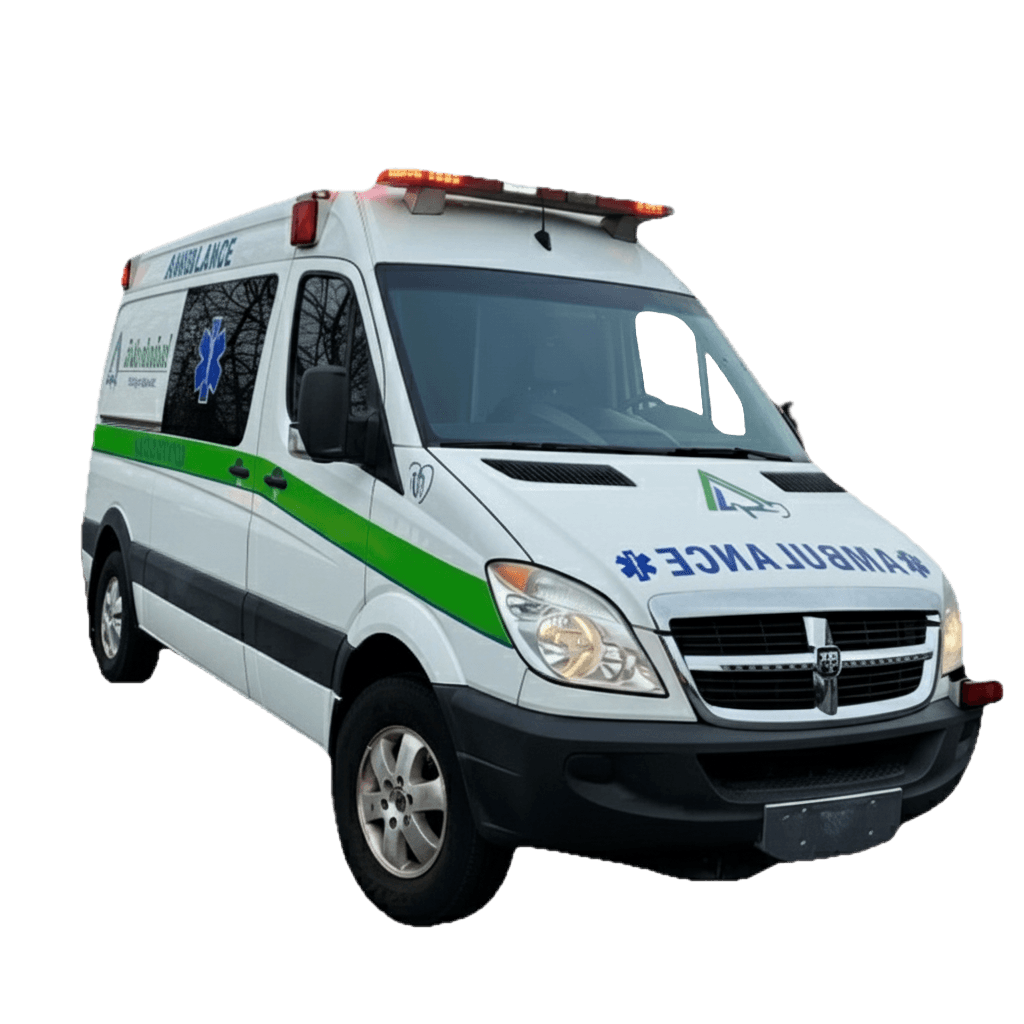
Delta is a licensed medical transport provider based in Totowa, with wheelchair-accessible vehicles, oxygen-ready equipment, and trained crews. We are not a school bus company, and we won't pretend to be one — school transportation has its own regulatory regime, and your district defines which requirements apply to any given route. What we offer districts is the medical end of student transport: the individual routes where the student's needs look like medical transport, handled by a company whose entire operation is built around exactly those needs. If that's the route you can't fill, call (973) 389-3110 and let's talk about whether we're a fit.
Which Students This Serves
This service is for the small number of students in every district whose transport needs are medical, not just educational. If the route description reads more like a patient trip sheet than a bus stop list, it belongs on this page.
Students Who Ride in a Wheelchair
Manual chairs, power chairs, and smaller pediatric frames. Our wheelchair-accessible vans use ramps or lifts and four-point tie-down securement with a separate occupant restraint — the student rides in their own chair, properly anchored, on every single trip. Crews are trained on securement and check it before the vehicle moves, not just on day one of the route.
Medically Fragile Students Riding with a District-Provided Aide or Nurse
Let's state the division of labor plainly, because it matters: when a student's plan requires a nurse or aide during transport, the district provides that person — Delta provides the transport. Your aide or nursing-contractor staff rides in our vehicle, seated within reach of the student for the whole trip. We plan the seating around them, coordinate pickup logistics with them, and treat them as part of the route. What we never do is claim to supply nursing care ourselves — our crews are transport professionals, not clinicians, and any provider that blurs that line is one your district should be wary of.
Students Traveling with Oxygen or Medical Equipment
Our vehicles are oxygen-ready, and our crews are trained to secure portable oxygen, ventilator equipment, and other devices for transit so nothing shifts during the ride. Tell us the equipment list when we scope the route and we match the vehicle to it.
Out-of-District and Specialized-School Placements
Many of the hardest routes are the long ones — a student placed at a specialized school one or two counties away, five days a week, all year. Long recurring runs are ordinary work for a medical transport operation; we run routes like this daily for dialysis and day-program clients across northern New Jersey.
What Your District Gets Operationally
Strip away the procurement language and a district is buying four things on a medical route: a vehicle that fits the student, a crew that knows what it's doing, a schedule that holds, and a company that picks up the phone. Here is what each of those looks like in practice.
A district route is judged on one thing above all: does the vehicle show up, on time, every school day, with the same standard of care on day 180 as on day one. Our entire business is recurring medical routes — patients whose dialysis appointments cannot be missed, group homes whose day programs run on fixed schedules — so reliability is not a promise we bolt on for schools; it is the operating model. We build school routes around your bell times and dismissal windows, confirm the schedule with your transportation office, and keep the route as consistent as scheduling allows, because medically fragile students — and their parents, and their aides — do better with a predictable crew and a predictable routine.
The crews themselves are the second thing you're buying. Delta is a licensed medical transport provider, and our staff are trained, background-checked professionals experienced in wheelchair securement, patient handling, and working calmly with riders who may be anxious, non-verbal, or medically complex. For students whose behavioral or emotional needs are part of the picture, that same calm, trained approach is what we bring to our behavioral health transport work — discretion and a steady presence are habits here, not exceptions.
Third: communication that fits how a transportation office actually works. One point of contact for the route. A call to your office — not silence — if traffic, weather, or a vehicle issue threatens the arrival window. Coordination with the school's front office on where the vehicle stages for pickup and drop-off. And when the student's needs change mid-year — a new chair, new equipment, a new aide — the route adjusts without the district having to re-procure from scratch.
Winter matters too. A snow delay or an early dismissal reshuffles every route in the district at once, and the medically fragile student is the one rider who cannot simply wait longer in the cold or ride an improvised substitute vehicle. Because our dispatch already manages weather disruptions for medical clients whose appointments can't move — dialysis chairs don't reschedule for snow — delayed-opening and early-dismissal adjustments are a normal dispatch event for us, handled with a call to your office, not a scramble.
What we deliberately do not claim: school-bus-specific vehicle certifications, special driver endorsements under the student transportation code, or standing district contracts we don't hold. New Jersey's student transportation rules are their own regulatory world, districts apply them differently depending on how a route is structured, and your business administrator — not a vendor's marketing page — determines what a given route requires. Our position is simpler and honest: we hold medical transport licensing, we run the equipment and crews described on this page, and we will walk through exactly how that maps to your district's requirements before anyone signs anything.
How to Start the Conversation
No portals, no procurement theater — three steps, and your district has a real number in hand.
1. A Call from Your Transportation Coordinator
Call (973) 389-3110 and describe the route: the student's mobility and equipment needs, whether an aide or nurse rides along, origin and destination, bell times, and how many days a week it runs. Fifteen minutes is usually enough for both sides to know whether this is a fit.
2. A Needs Review
We review the specifics — chair dimensions and securement, oxygen or equipment in transit, seating for the district's aide, any transfer assistance at either end — and go through your district's vendor requirements openly. If a requirement on your list is something our licensing doesn't cover, we'll say so on that call rather than have you discover it later.
3. A Written Quote for the Route
You get a free, written quote for the specific route — priced on daily mileage, equipment, crew configuration, and days per week — that your business administrator can put next to the district's current cost. Given what school-board association reporting shows districts have been quoted for these routes (figures above $700 per day have been documented — typical market figures, not Delta's rate card), that comparison is usually worth the phone call by itself.
Billing is straightforward: call to establish an account for your district, and we'll set up invoicing the way your business office needs it. Mid-year starts are fine — most of these routes appear mid-year, when a placement changes or a student's needs do.
Call (973) 389-3110 — District SchedulingA Parent Who Landed Here? Start with Our Family Guide Instead
This page is written for district transportation offices. If you're a parent arranging rides to medical appointments for a child with special needs — therapies, specialists, hospital visits outside the school day — the rules, funding, and logistics are different, and we've written a separate guide for you: car seat requirements for NEMT, what makes a vehicle pediatric-capable, and how NJ FamilyCare covers transport for minors. Read our parents' guide to medical transportation for children with special needs in NJ. And if your question is about the ride your district provides to school, your district's transportation office and your child's IEP team are the right first call — school transport is the district's responsibility, and they know your child's plan.
School District Transport — Frequently Asked Questions
Do you contract with school districts?
We work with New Jersey school districts on the medical side of student transportation — students whose needs look like non-emergency medical transport: wheelchair securement, oxygen accompaniment, medically fragile riders who need a trained crew rather than a standard bus seat. Every district defines its own procurement process and vehicle requirements, so the starting point is a call: tell us the route and the student's needs, and we'll walk through how our medical transport licensing and equipment map to your requirements. Call (973) 389-3110 and ask for district scheduling.
Does the district or Delta provide the nurse or aide?
The district does. If a student's IEP or 504 plan calls for a nurse or an aide during transport, that person is arranged and employed by the district (or its nursing contractor) — Delta provides the vehicle and the transport crew, and the district's aide or nurse rides along with the student. We plan seating so the aide sits within reach of the student for the entire trip. We do not supply nurses, and we never claim otherwise.
How are wheelchairs secured during transport?
Every wheelchair is secured with a four-point tie-down system anchored to the vehicle floor, plus a separate lap-and-shoulder occupant restraint for the student. Our crews are trained on securement for both manual and power chairs, including smaller pediatric frames, and they check every strap before the vehicle moves — on every trip, not just the first one.
Can you run the same route every school day?
Yes — recurring routes are the core of what we do. Most of our work is standing schedules: the same pickup time, the same route, five days a week. We build school routes the same way, with arrival windows set around bell times and dismissal, and we communicate directly with your transportation office when anything on the route changes.
Do you cover summer and extended school year (ESY) programs?
Yes. We operate year-round, so ESY sessions, summer therapy programs, and out-of-district summer placements can run on the same standing-route basis as the regular school year. Districts that set up a route with us during the school year can carry the same arrangement into July and August without re-establishing everything from scratch.
What area do you serve?
We are based in Totowa in Passaic County and serve school districts throughout New Jersey, with the deepest coverage in the northern counties — Passaic, Bergen, Essex, Morris, Hudson, and Union. Out-of-district placements often mean long daily runs across county lines; those routes are routine for us. Call with the origin and destination and we'll confirm coverage for your specific route.
Can you start a route mid-year or on short notice?
Usually, yes. Most of these routes don't appear neatly in August — they appear in November when a placement changes, or in February when a student is discharged from a hospital stay with new equipment and a new transport requirement. Because we run a full medical transport operation year-round, adding a school route mid-year is a scheduling exercise for us, not a fleet expansion. Call with the start date you need and we'll tell you honestly whether we can hold it.
How much does a daily medical transport route cost?
It depends on the route: total daily mileage, whether the student rides in a wheelchair, whether oxygen accompanies the trip, whether a district aide rides along, and how many days per week the route runs. We don't publish a rate card because no two routes are alike — but we quote every route for free, in writing, so your business administrator has a real number to compare against what the district is paying now. Call (973) 389-3110 with the route details.
Related Services & Guides
Get an Estimate & Request a Ride
Enter your addresses to calculate your estimate
Calculate Your Estimate
Ready to Schedule Your Ride?
Book your appointment today and experience professional, compassionate medical transportation